Introduction:
In our quest for natural healing methods, we often stumble upon various innovative therapies. One such therapy that has gained significant attention is light therapy, also known as PhotoBioModulation. In this blog post, we will explore the fascinating world of light therapy, understand its principles, and delve into its historical roots. So, let’s shed some light on light therapy!
What is Light Therapy?
Light therapy is a non-invasive treatment that utilizes specific wavelengths of light to stimulate healing and promote overall well-being. By exposing the body to these therapeutic lights, various physiological processes are triggered, leading to accelerated healing, reduced inflammation, and improved cellular function. It’s a gentle and natural approach that harnesses the power of light for therapeutic benefits.
A Brief History of Light Therapy:
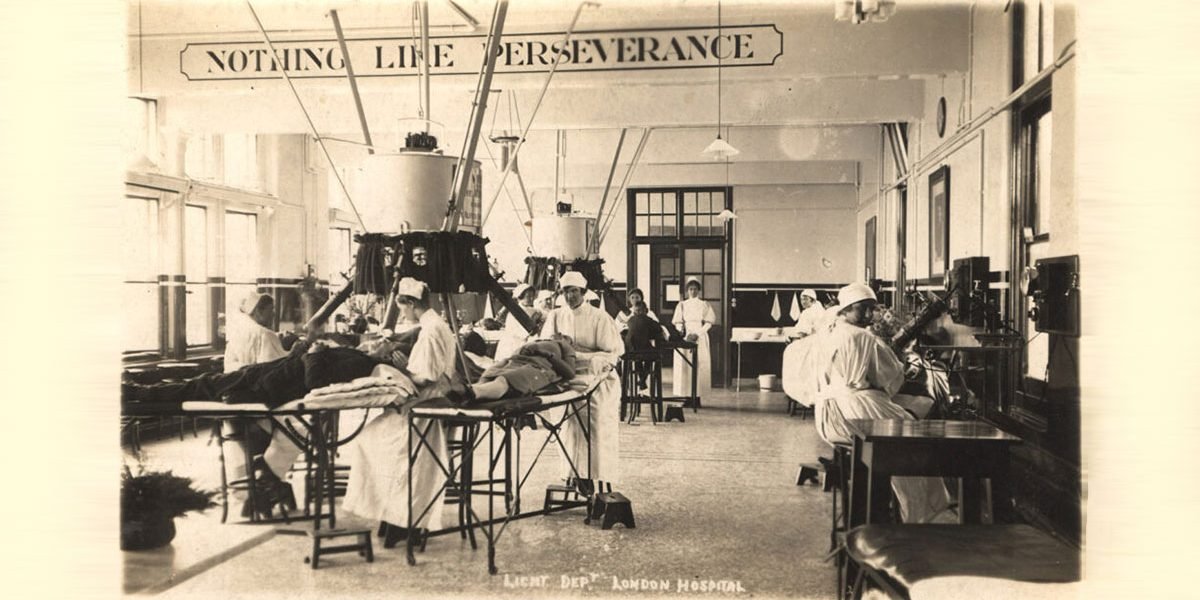
The use of light as a healing modality dates back thousands of years. Ancient civilizations, such as the Egyptians, Greeks, and Indians, recognized the healing properties of sunlight and used heliotherapy, or sun therapy, to treat various ailments. They believed that sunlight had the power to invigorate and restore health.
 However, it was not until the late 19th and early 20th centuries that the scientific exploration of light therapy began. Danish scientist Niels Ryberg Finsen is often credited as the pioneer of modern light therapy. In 1903, Finsen was awarded the Nobel Prize in Medicine for his work on the treatment of lupus vulgaris, a type of skin tuberculosis, using concentrated light radiation.
Over the years, researchers and scientists continued to study the effects of light on the human body. In the mid-20th century, NASA became interested in light therapy to counteract the negative effects of space travel on astronauts. They discovered that specific wavelengths of light could promote cell regeneration and tissue repair.
Fast forward to the present day, light therapy has gained recognition in various medical fields. It is now used in dermatology for skin conditions, in pain management for musculoskeletal disorders, and even in mental health for conditions like seasonal affective disorder (SAD) and depression.
How Light Therapy Works:
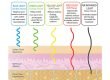
Light therapy works on a cellular level. When specific wavelengths of light penetrate the skin, they interact with the mitochondria, which are the powerhouses of our cells. This interaction triggers a cascade of biochemical reactions that lead to increased energy production and improved cellular function.
Different colors of light have different therapeutic effects. For example, blue light is known for its anti-inflammatory properties and is often used to treat acne and other skin conditions. Red and infrared light, on the other hand, penetrate deeper into the tissues and can help reduce pain, inflammation, and promote wound healing.
Benefits of Light Therapy:
Light therapy offers a wide range of benefits. It can help speed up the healing process, reduce pain and inflammation, improve circulation, boost collagen production, and even enhance mood and mental well-being. It is a versatile therapy that can be used alongside other treatments or as a standalone therapy, depending on the condition being addressed.
Conclusion:
Light therapy, or PhotoBioModulation, is a natural healing approach that harnesses the power of light to promote healing and well-being. With its roots in ancient practices and a rich history of scientific exploration, light therapy has emerged as a promising therapy in various medical fields. Whether you’re seeking relief from pain, addressing skin concerns, or looking to enhance your overall well-being, light therapy offers a gentle and effective solution. Embrace the healing power of light and let it illuminate your path to wellness.