Introduction:
Photobiomodulation (PBM), also known as low-level light therapy, has gained popularity in various fields due to its therapeutic potential. This non-invasive treatment utilizes specific wavelengths of light to stimulate cellular processes in the body. In this blog post, we will explore the different primary colors of light used in photobiomodulation and discuss when and why each color is employed in this innovative therapy. Let’s shed light on the primary colors of PBM and their applications!
1. Red Light:
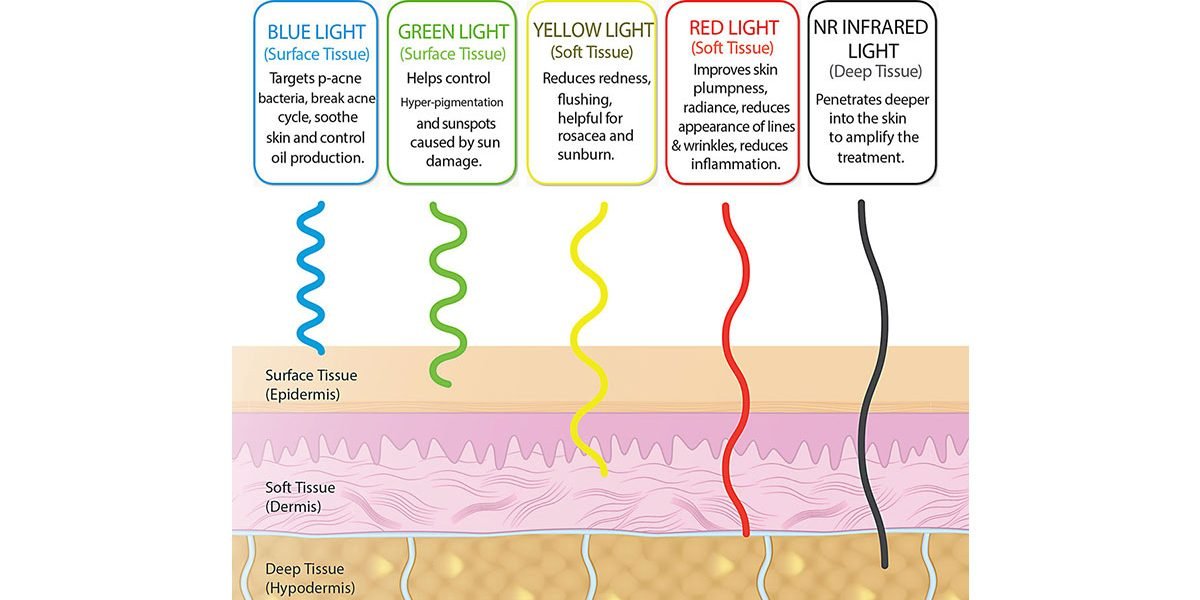
Red light, typically in the range of 630-660 nanometers, is one of the primary colors used in photobiomodulation. It has been extensively studied and proven to have numerous therapeutic benefits. Red light stimulates the mitochondria within cells, promoting increased production of adenosine triphosphate (ATP), the energy currency of cells. This enhanced ATP production accelerates tissue repair, reduces inflammation, and promotes cellular metabolism. Red light therapy is commonly used for wound healing, pain management, and skin rejuvenation.
When to Use Red Light:
- Wound Healing: Red light therapy can promote the healing of wounds, including surgical incisions, burns, and ulcers. It helps to improve cellular regeneration and increase circulation in the affected area.
- Pain Relief: Red light therapy has analgesic properties and can provide relief from chronic pain conditions, such as arthritis, fibromyalgia, and back pain.
- Skin Rejuvenation: Red light stimulates collagen production, improving skin elasticity, reducing wrinkles, and promoting a more youthful appearance.
2. Near-Infrared Light:
Near-infrared (NIR) light, ranging from 800 to 1000 nanometers, is another primary color used in photobiomodulation. NIR light penetrates deeper into tissues compared to visible light, making it effective for targeting deeper structures in the body. NIR light stimulates cellular mechanisms, such as the release of nitric oxide and increased blood flow, which promote tissue oxygenation, reduce oxidative stress, and enhance cellular regeneration.
When to Use Near-Infrared Light:
- Muscle Recovery: NIR light therapy helps reduce muscle inflammation and promotes faster recovery after intense exercise or injury.
- Joint Pain Relief: NIR light can alleviate joint pain and stiffness associated with conditions like arthritis and tendonitis.
- Circulation Improvement: NIR light stimulates blood flow, which enhances oxygen and nutrient delivery to tissues and aids in the healing process.
3. Blue Light:
Blue light, typically in the range of 415-455 nanometers, is used in certain applications of photobiomodulation. It has antimicrobial properties and can effectively target bacteria that cause acne and other skin conditions. Blue light therapy activates endogenous porphyrins within bacteria, leading to the generation of reactive oxygen species that destroy the bacteria.
When to Use Blue Light:
- Acne Treatment: Blue light therapy is beneficial for treating acne by targeting the bacteria responsible for acne breakouts. It helps reduce inflammation and improves the overall appearance of the skin.
4. Amber Light:
Amber light, typically in the range of 590-620 nanometers, is sometimes used in photobiomodulation treatments. Amber light has soothing and calming properties and can help reduce inflammation and pain.
When to Use Amber Light:
- Inflammation Reduction: Amber light therapy can be used to alleviate inflammation associated with conditions like arthritis, tendonitis, and skin irritations.
- Relaxation and Improved Sleep: Amber light promotes relaxation and can aid in improving sleep quality by helping to regulate the body’s natural circadian rhythm.
5. Green Light:
Green light, typically in the range of 520-560 nanometers, is less commonly used in photobiomodulation but still has its applications. Green light therapy can help balance melanin production, reduce hyperpigmentation, and promote a more even skin tone.
When to Use Green Light:
- Skin Pigmentation: Green light therapy can be used to reduce the appearance of hyperpigmentation, such as sunspots and melasma, resulting in a more even complexion.
Conclusion:
Photobiomodulation utilizes the power of light to stimulate cellular processes in the body, offering a range of therapeutic benefits. The primary colors of light used in PBM include red, near-infrared, blue, amber, and green. Each color has its unique properties and applications in photobiomodulation. Red and near-infrared light are commonly used for wound healing, pain relief, and tissue regeneration. Blue light targets bacteria for acne treatment, while amber light provides soothing and calming effects. Green light helps balance melanin production for improved skin pigmentation. By understanding the different primary colors of light and their applications, practitioners can optimize the therapeutic potential of photobiomodulation for various conditions and promote overall well-being.